
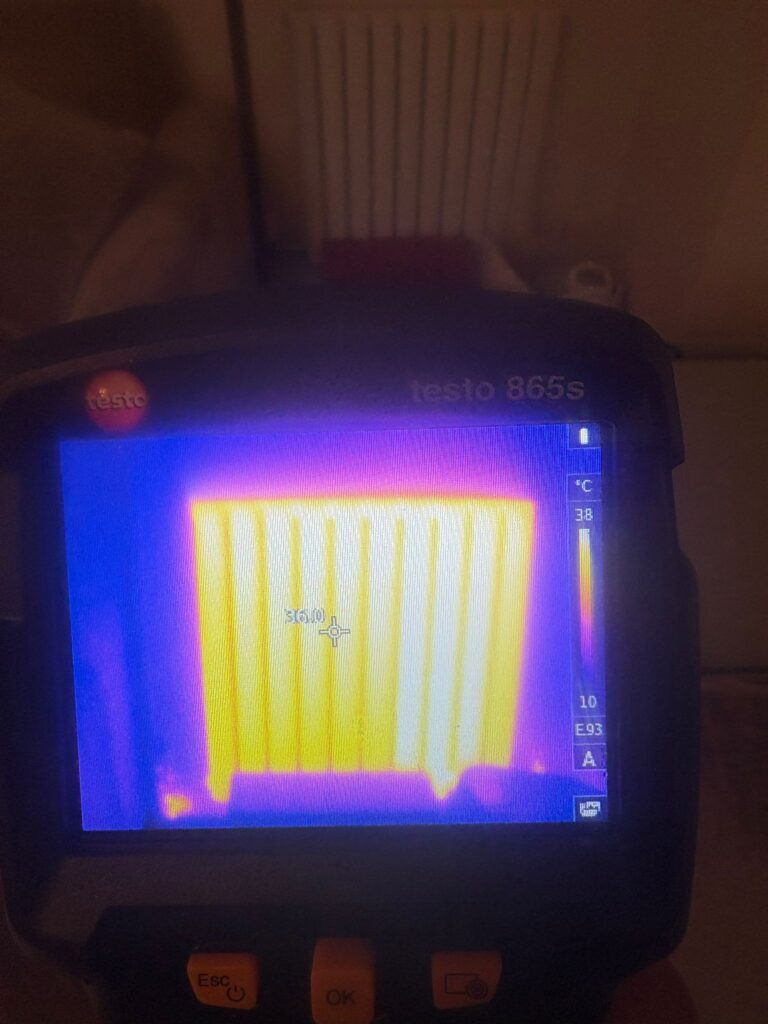
When it comes to heating systems, what you can’t see can cause the most problems. Hidden leaks, blockages, or inefficiencies can reduce performance, increase energy bills, and even damage your property. That’s where thermal imaging surveys come in—a cutting-edge diagnostic tool that allows engineers to detect issues invisible to the naked eye.
At Osborne Plumbing & Heating, we use thermal imaging technology to inspect heating systems thoroughly, ensuring your property stays safe, efficient, and problem-free. This guide explains what a thermal imaging survey is, how it identifies hidden issues, real-life examples of its effectiveness, the benefits for landlords and property managers, and how it enhances safety.
What Is a Thermal Imaging Survey?
A thermal imaging survey uses infrared cameras to detect heat variations across surfaces and within pipework. Unlike a traditional inspection that relies on visual signs or guesswork, thermal imaging provides a non-invasive, precise way to identify faults behind walls, under floors, and inside radiators.
How It Works
- A qualified engineer scans the property with a thermal camera.
- The camera detects temperature differences caused by leaks, blockages, or heat loss.
- The resulting heat map highlights problem areas that need attention.
- A detailed report is provided, often with annotated images, to show what has been detected and recommended actions.
This process is quick, non-disruptive, and highly accurate—eliminating the need to dismantle walls or floors just to find hidden faults.
How Thermal Imaging Detects Hidden Issues
Thermal imaging is particularly useful for uncovering problems that traditional inspections often miss.
Common Issues Detected
- Pipe Leaks: Even small leaks in concealed pipework create temperature anomalies visible on a thermal camera.
- Blockages: Sludge, limescale, or debris restrict water flow, causing uneven heating patterns detectable via infrared.
- Insulation Failures: Poorly insulated areas or gaps in pipe lagging show as heat loss.
- Underfloor Heating Problems: Thermal imaging can reveal cold spots in underfloor circuits that may indicate faults or blockages.
By identifying these issues early, homeowners and property managers can prevent costly repairs, improve heating efficiency, and reduce energy consumption.
Real Examples: Before vs After Surveys
Thermal imaging surveys offer clear visual proof of hidden issues, making it easier to understand the problem.
Example 1: Hidden Radiator Sludge
Before: Radiator felt warm at the top but cold at the bottom; visual inspection revealed nothing unusual.
Thermal Imaging: Showed a blockage in the lower part of the radiator caused by sludge. After cleaning, the radiator heated evenly, restoring efficiency.
Example 2: Concealed Pipe Leak
Before: Minor damp patches were ignored, and no visible leak was apparent.
Thermal Imaging: Detected a hot water leak behind a wall before it caused major water damage, allowing early repair and preventing structural issues.
These examples demonstrate how thermal imaging transforms heating diagnostics from guesswork to precision, saving time, money, and stress.
Benefits for Landlords and Property Managers
For landlords and property managers, thermal imaging surveys are an essential tool for maintaining safe, efficient, and compliant properties.
- Early Detection of Issues: Identify hidden leaks, blockages, or inefficiencies before tenants notice problems.
- Cost Savings: Detecting issues early reduces repair costs and prevents expensive water damage.
- Compliance and Record-Keeping: Surveys provide visual proof of proactive maintenance, which is valuable for insurance, safety checks, and legal obligations.
- Improved Energy Efficiency: Pinpoints heat loss or underperforming areas, helping reduce energy consumption.
- Tenant Safety and Satisfaction: Ensures heating systems are reliable, efficient, and safe, enhancing tenant comfort and confidence.
How Thermal Imaging Improves Safety
Safety is a primary benefit of thermal imaging. Hidden faults in heating systems can pose serious risks if left undetected.
- Detect Potential Hazards: Overheated pipes, leaking radiators, or blocked circuits are identified early.
- Prevent Water Damage: Hidden leaks behind walls or under floors are spotted before they lead to mould or structural damage.
- Support Gas Safety: Combined with Gas Safe inspections, thermal imaging ensures boilers and pipework operate safely and efficiently.
For homeowners and property managers, thermal imaging provides an extra layer of assurance, complementing routine servicing and safety checks.
Conclusion
Thermal imaging surveys are an advanced, non-invasive method for detecting hidden heating system issues. From leaks and blockages to insulation failures, these surveys save money, improve efficiency, and enhance safety.
For landlords, property managers, and homeowners, thermal imaging demonstrates professionalism, due diligence, and a proactive approach to property maintenance.
At Osborne Plumbing & Heating, our Gas Safe registered engineers provide expert thermal imaging surveys, detailed reports, and actionable recommendations. Protect your property, improve system efficiency, and ensure safety—book a thermal imaging survey with us today.