
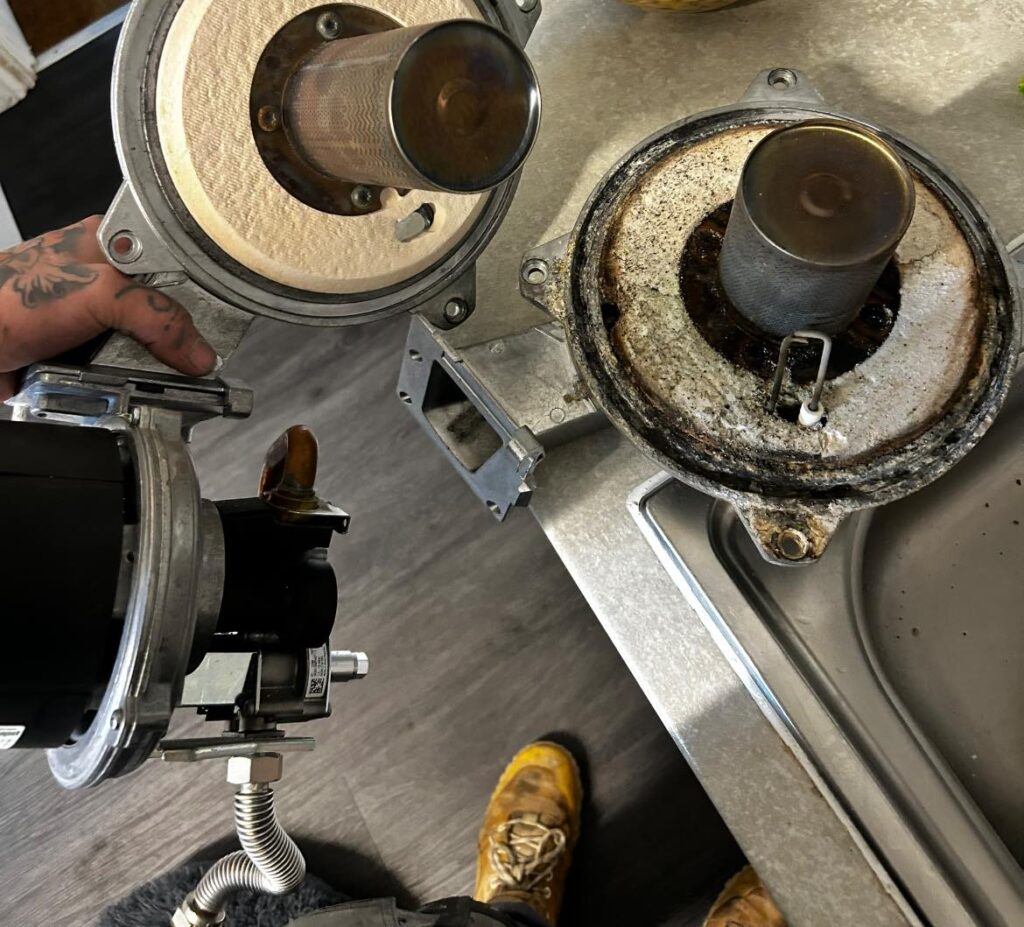
Plumbing and heating are essential components of any home, yet they often remain misunderstood until something goes wrong. From leaky taps to central heating breakdowns, professional plumbing and heating services keep your home safe, comfortable, and energy-efficient. For homeowners in the UK, understanding what these services entail, who is qualified to provide them, and the regulations surrounding them can save time, money, and stress.
At Osborne Plumbing & Heating, we’re committed to educating our clients and providing expert solutions for all plumbing and heating needs. This guide will explore the fundamentals of professional plumbing and heating, highlight key qualifications and safety standards in the UK, discuss the role of registered engineers, provide an overview of UK regulations, and debunk common myths.
What Is Professional Plumbing & Heating?
Professional plumbing and heating cover the installation, maintenance, and repair of systems that manage water, gas, and heating in residential and commercial properties. While it may seem simple, it requires technical knowledge, precision, and adherence to safety regulations.
Plumbing services include:
- Installation and repair of pipes, taps, and sinks
- Maintenance of toilets, showers, and baths
- Addressing water pressure issues
- Detecting and fixing leaks
Heating services focus on keeping your home warm and energy-efficient, including:
- Boiler installation, maintenance, and repair
- Radiator installation and bleeding
- Underfloor heating systems
- Central heating system servicing
Professional plumbers and heating engineers not only fix problems but also ensure your systems run efficiently, saving you money on energy bills and preventing costly damage from leaks or faulty heating.
Qualifications, Certifications, and Gas Safety Standards in the UK
In the UK, plumbing and heating is a highly regulated industry to ensure safety and reliability. Professionals in this field must meet specific qualifications and certifications to legally work on gas appliances and heating systems.
Key Qualifications
- NVQ (National Vocational Qualification): Recognized in plumbing and heating, covering both practical and theoretical skills.
- City & Guilds: Offers a range of plumbing and heating courses, including gas safety and central heating systems.
- Apprenticeships: A combination of on-the-job training and classroom learning that prepares individuals for practical challenges.
Gas Safety Certification
Working with gas is one of the most dangerous aspects of plumbing and heating, so it requires specialized certification. All engineers working with gas appliances must be Gas Safe registered, ensuring they meet strict safety standards. This registration confirms that the engineer is trained to:
- Install, service, and repair gas appliances safely
- Detect gas leaks and other hazards
- Comply with UK gas safety regulations
Choosing a Gas Safe registered engineer protects your family from serious risks like gas leaks, fires, or carbon monoxide poisoning.
The Role of Registered Engineers in Home Safety
Registered engineers are essential for maintaining a safe and functional home. Their work goes beyond fixing leaks or installing boilers—they actively prevent hazards that could compromise your property or health.
Why Registered Engineers Matter
- Compliance: They ensure all plumbing and heating installations meet legal standards.
- Safety: Only certified professionals can safely handle gas, electrical connections, and pressurized systems.
- Peace of Mind: Homeowners can trust that the work has been done correctly and safely, backed by professional accountability.
At Osborne Plumbing & Heating, all our engineers are fully qualified and registered, so our clients can enjoy top-quality services without worrying about safety risks.
Overview of UK Plumbing Regulations and Compliance
The UK has stringent regulations governing plumbing and heating work. These rules exist to protect homeowners and ensure that installations are safe, efficient, and environmentally friendly.
Key Regulations
- Building Regulations: Set minimum standards for plumbing, heating, and ventilation in new builds and renovations. For example, Part G of the Building Regulations focuses on water supply and sanitation, while Part L relates to energy efficiency.
- Gas Safety (Installation and Use) Regulations 1998: Mandates that all gas work is carried out by Gas Safe registered engineers.
- Water Fittings Regulations: Ensure that all fittings and appliances meet safety and quality standards to prevent contamination and water waste.
- Energy Efficiency Standards: Govern the installation of boilers, radiators, and insulation systems to reduce energy consumption and carbon footprint.
Adhering to these regulations not only ensures legal compliance but also enhances the longevity and efficiency of your plumbing and heating systems.
Common Myths About Plumbing and Heating Services
Despite the importance of plumbing and heating, misconceptions are widespread. Here are some common myths and the truth behind them:
Myth 1: “All Plumbers Are the Same”
Truth: Plumbing is highly specialized. Some focus on general plumbing, others on heating, and only a few are Gas Safe registered. Always check qualifications before hiring.
Myth 2: “DIY Is Always Cheaper”
Truth: While DIY may save money upfront, mistakes can lead to costly repairs, water damage, or even gas hazards. Professional installation ensures safety and compliance.
Myth 3: “Old Systems Don’t Need Servicing”
Truth: Regular servicing prevents breakdowns and improves efficiency, even for older boilers or pipework. Ignoring maintenance can shorten equipment lifespan and raise energy bills.
Myth 4: “Plumbing Emergencies Only Happen in Winter”
Truth: Leaks, burst pipes, and heating failures can occur anytime. Preparedness and regular maintenance are key to avoiding emergencies.
By understanding these myths, homeowners can make informed decisions and avoid unnecessary risks.
Conclusion
Plumbing and heating are more than just household conveniences—they’re critical systems that impact safety, comfort, and energy efficiency. Understanding the role of qualified engineers, complying with UK regulations, and dispelling common myths empowers homeowners to maintain their homes effectively.
If you’re looking for professional plumbing and heating services in the UK, trust experts who combine knowledge, experience, and safety. Visit Osborne Plumbing & Heating for a full range of services, expert advice, and peace of mind knowing your home is in safe hands.